Crop Report: June 2026
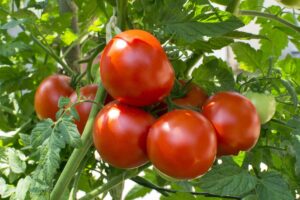
Tomatoes
Organic Tomatoes – Crop is maturing and continues to look healthy. Based on current conditions, it looks like harvest could start around the end of June.
San Marzano Style Tomatoes – Plants are looking good and maturing as expected. Weather conditions have been favorable and standard practices continue.
Conventional Tomatoes – Transplanting has been completed. Early and mid-season plantings are maturing and are looking strong. Late season plantings look good despite the warmer day-time temperatures and strong winds.
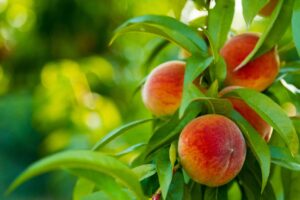
Peaches
Southern Conventional Peaches – Growers continue to thin their late and extra late varieties. Peaches continue to run about 10-14 days ahead of last year. Cooler than average temperatures have helped hold the fruit allowing for a little more sizing. First day of harvest began the last week of May. Growers are busy irrigating, fertilizing and crop protection materials are being applied as needed.
Organic Peaches – Harvest of the American variety in Kingsburg started May 25th, this was 12 days earlier than last year. Madera harvest began June 1st- this is 15 days earlier than last year. Fruit quality looks good. All cultural practices continue.
Northern Conventional Peaches – Many growers are thinning their late and extra late varieties. According to the reference date and historical data, we expect to receive our first peaches by June 15th. All other maintenances are continuing according to schedule.
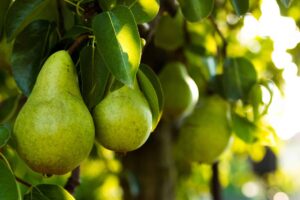
Pears
River and Linden Districts – Fruit continues to develop. The pears are much easier to see on the trees now that they are turned down and sizing. Crop volume varies between orchards. Some orchards are fuller than others. Harvest is anticipated to start around July 1st for the fresh market, this is a week earlier than last year.
Mendocino and Lake Districts – Fruit development in these districts continues. Growers are anticipating a lighter crop than last year. Lake and Mendo like the River are ahead on harvest timing and will start harvest about July 20th.
Pacific Northwest – The Pacific Northwest pears have a slightly below average crop, though many orchards appear to have an average set depending on location. Fruit drop is beginning to be observed and will continue over the coming weeks. Pear development remains 6–9 days ahead of last year. Growers are irrigating and following their standard cultural practices of slowing progress.
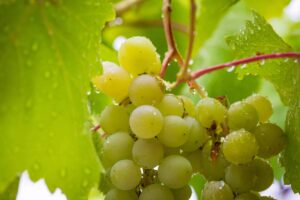
Grapes
Grape harvest is currently projected to begin around mid-July. Vines continue to look healthy, and berry sizes still look to be on the smaller side. At this stage, tonnage appears adequate to meet our pack plan needs. All cultural practices and vineyard maintenance programs continue across all growing regions.
Cherries
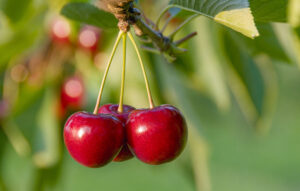
The first deliveries of cherries have arrived, and deliveries will continue to ramp up. The Pacific Northwest cherries have continued to develop well. The Willamette Valley experienced below average rainfall for the month of May, though recent precipitation has helped soil moisture levels. The lack of precipitation and well-set crops has caused some concern for smaller fruit size, but majority of orchards have adequate time to grow to the desired size range.
The Dalles region orchards are ripening earlier than previously forecasted. Fruit development continues to be 6-9 days ahead of last year.
Apricots
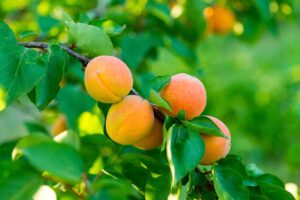
Apricot harvest began on May 27th, marking one of the earliest starts on record for the Patterson/Westley area. Another unusual event followed when a rainstorm moved through all apricot-growing regions on May 28th, temporarily halting harvest. Conditions following the rain have remained cool with light breezes, which are considered ideal for minimizing potential issues. Some growers had already applied crop protection materials prior to the rain event, while others elected to apply after as a precautionary measure. Overall tonnage still appears adequate, and growers remain optimistic. Our harvest is now complete and apricot processing will conclude this week.
Apples
The Pacific Northwest apple crop is healthy and developing well. Some frost damage has been observed, though this damage won’t have a major effect on the overall crop volume. Growers are irrigating and following standard cultural practices.