
Stay informed about weather impacts, crop development, and harvesting progress.
Your dedication to reading our reports is truly appreciated. Stay up to date for more updates!


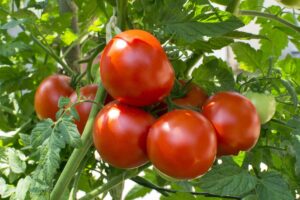

Organic Tomatoes – Harvest has been underway for almost two weeks now. Fruit quality has been looking fair to good thus far. We had unexpected rain early in July. This didn’t interrupt harvest but did slow operations down for a day. So far it has been an average year for field yields and fruit quality.
San Marzano Style Tomatoes – The crop is developing well, and fruit quality and sizing continue to meet expectations.
Conventional Tomatoes – The early plantings are looking strong and first harvest began around mid-July. Mid-season plantings are developing and maturing as expected. The late season plantings look great also, but they’re about two months away from harvest.
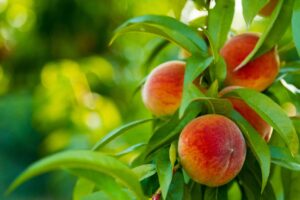

Southern Conventional Peaches – Harvest of the early peach varieties concluded this week with the final deliveries of Kingsburg Kling variety. Growers are now harvesting Ross, Late Ross, Monaco, and Lilliland varieties, while Extra Lates varieties are expected to begin shortly. Some Starn varieties from older orchards are anticipated next week. Smaller fruit sizes continue to be a challenge, and growers are starting harvest earlier to help maintain fruit quality throughout the season. Routine orchard management practices remain ongoing.
Organic Peaches – Selma – Harvest is complete as of 8/6/2026.
Madera – Late Ross variety completed as of the first week of August. We have just one block of Starns variety left to pick.
Northern Conventional Peaches – Northern peach pick continues to struggle with smaller fruit and damage from heavy winds in late spring. The northern state started picking the Lilliland variety last week and will pick the Extra Late variety this week. Peaches will finish approximately August 18th.
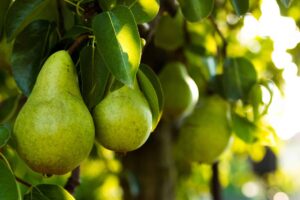

River and Linden Districts – Harvest was completed in these districts during the first week of August. Total tonnage was lower than expected. Growers delayed picking to allow the pears more time to reach their ideal size, but the fruit ripened quickly. As harvest came to an end, fewer pears were available for picking than anticipated.
Mendocino and Lake Districts – Harvest is just beginning in these districts. Current projections indicate a smaller crop than originally expected, although growers remain hopeful that yields will be higher than those seen in the River District. Growers were encouraged to begin harvesting earlier to help maintain fruit quality and firmness throughout the season.
Pacific Northwest – Pear harvest has begun in the Pacific Northwest, with the first deliveries being completed. Harvest is expected to ramp up over the next 2-3 weeks. Due to the lighter fruit set across the region, pear size appears to be above average. The crop is overall looking in good condition.
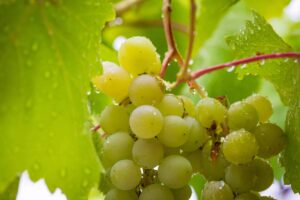

Harvest began on July 15th, 10 days earlier than last year. We are just over halfway through harvest, with completion anticipated around August 19th. Aside from smaller berry size, quality has been above average. We should have no issue reaching our desired tonnage, and additional fruit should be available if needed.
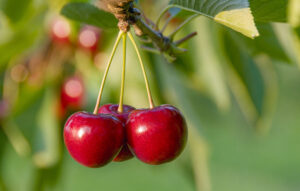

Harvest completed on July 23rd, 2026.
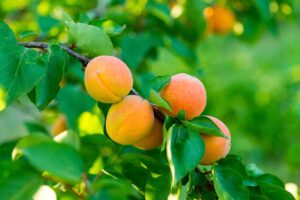

Harvest completed on June 17th, 2026.
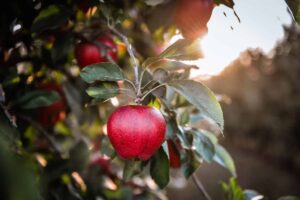

The Pacific Northwest apple crop remains healthy and developing well. Some of the very earliest varieties are beginning to be harvested. More varieties will begin to be harvested throughout August. During the summer months, apples are susceptible to sunburn, and major damage can be caused during heat waves. Growers take protective measures to avoid sunburn, which include shade cloth, overhead cooling and sprayable sunburn protectants. Growers are continuing to irrigate, follow their standard cultural practices.